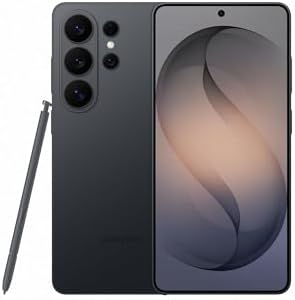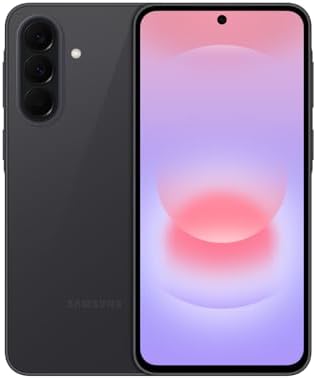
The photo that matters most may be a slightly blurry one of a child blowing out birthday candles in a dim restaurant. That’s a tougher job for a phone camera than a bright, motionless landscape—and a megapixel count alone won’t tell you which phone handles it better. Choose around the moments you want to capture, not the biggest number in the product listing.
Start With Your Everyday Photos
Think about the scenes you photograph most: pets moving across a living room, friends under warm indoor lights, or vacation views where you want both the foreground and the distance. Low-light photos and moving subjects put different demands on a camera than daytime snapshots. If you rarely zoom in, a long list of zoom levels may matter less than a camera that focuses quickly and produces pleasing indoor photos.
Read Beyond The Megapixels
Megapixels describe image resolution, not the whole experience. Image processing, lens quality, focus, and stabilization also affect how a photo looks and how easy it is to get the shot. Stabilization can help reduce blur from small hand movements, but it won’t freeze a fast-moving subject; for that, focus and the camera’s ability to capture the moment matter too.
Look for sample photos in conditions similar to yours, especially indoor scenes and night shots. Compare skin tones, detail in shadows, and whether bright signs or windows turn into featureless patches. A camera comparison is more useful when the photos show the same scene at the same time, rather than a collection of unrelated promotional images.
Don’t Forget Storage
If you take lots of high-resolution photos or video, storage becomes part of the camera decision. Check how much space is available on the model you’re considering and whether it supports expandable storage; many phones don’t. A generous camera setup is less convenient if you’re constantly deleting files or paying for more cloud space.
Smart Reviews may earn a commission from qualifying affiliate links, at no extra cost to you. The useful takeaway: make a shortlist based on the scenes you shoot, then compare real samples from those situations before weighing camera specs.